






Controlling in Mid-Sized Companies
Why the Path to Becoming a Business Partner Does Not Depend on Company Size
Many mid-sized companies are currently asking themselves how they can further develop their controlling function. While established management and performance steering structures are often taken for granted in large corporations, development in small and mid-sized companies frequently starts from a different position. Here, reliable figures, a shared understanding of controlling and acceptance of the controlling function within the business often take priority.
How controlling departments can develop step by step was demonstrated in our CA iTalk episode on May 22, 2026 (in German language).
Our guests were Natalia Schindler, Managing Director Finance & Operations at SOLDAN Holding + Bonbonspezialitäten GmbH, and Fabian Kaiser, Head of Finance & Controlling at Camfil APC GmbH. Both shared their experiences in establishing and further developing controlling structures in mid-sized companies.
Their experiences showed that successful controlling development depends less on company size than on having the right prerequisites in place. These include, above all, a clear target vision, high data quality and acceptance of controlling throughout the organization.
Controlling in Mid-Sized Companies: Different Starting Points
Despite having similar success factors, mid-sized companies can be at very different stages of development. While some companies are already on their way toward business partnering, others still work primarily with accounting, financial closing and backward-looking analyses.
Successful companies in particular often see no immediate need for change. Yet this is precisely where the challenge lies: without pressure to change, necessary further development is easily postponed.
The guests highlighted how important it is to establish a clear target vision at the beginning of the transformation. At SOLDAN Holding + Bonbonspezialitäten GmbH, for example, three objectives were at the center of the development:
- Positioning controlling as a valued sparring partner for the business functions
- Evolving from a reporting function into a business partner
- Building reliable systems and ensuring high data quality
The Path to Becoming a Business Partner
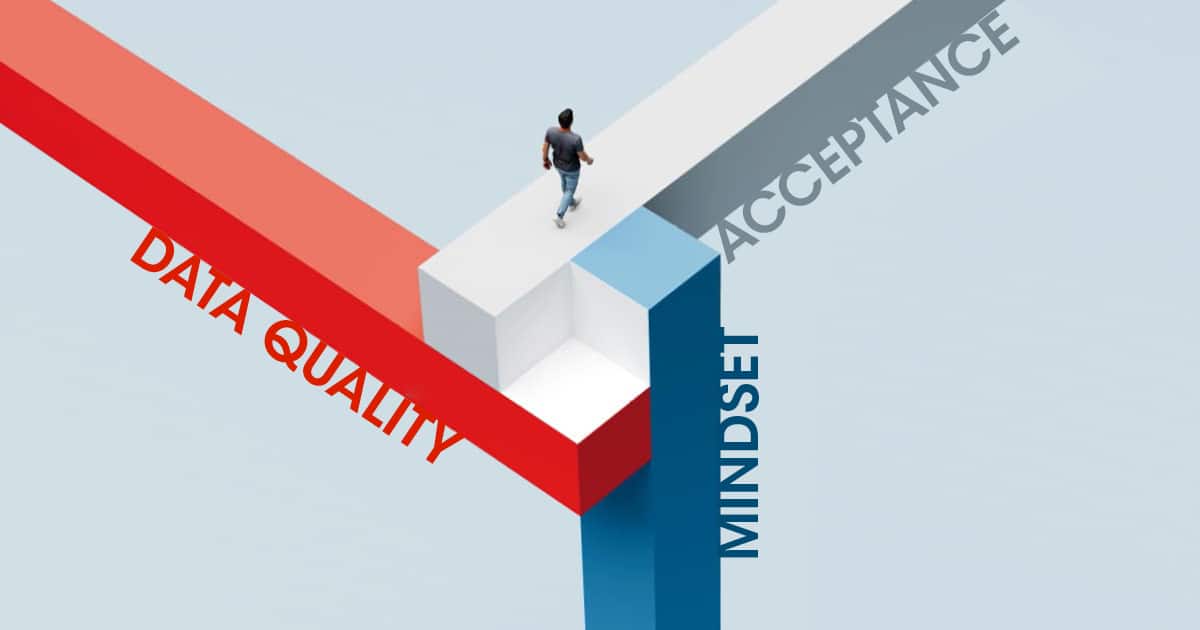
The experiences of Natalia Schindler and Fabian Kaiser show that the further development of controlling is primarily based on three factors: acceptance within the business functions, high data quality and a step-by-step approach.
Natalia Schindler emphasized the importance of building trust in the controlling function. Regular discussions with business leaders helped make business and financial interdependencies easier to understand and increased acceptance of controlling. Many managers had little or no specific controlling expertise, so the first step was to establish a common understanding of business and financial KPIs.
At the same time, the company further developed its data foundation, introduced a BI system and assigned responsibility for data quality to controlling. The objective was to avoid discussions about whether the figures were correct and instead shift the focus toward content, implications and decisions.
Fabian Kaiser complemented this perspective with his experience from companies at different levels of controlling maturity. In his view, development often starts with an analysis of existing reports and KPIs, combined with a better understanding of the requirements of the business functions.
The key is to take a pragmatic approach, demonstrate initial use cases and continuously improve solutions rather than waiting for perfect systems.
Looking ahead, the two guests identified three key expectations for the controlling function:
- Uncompromising transparency about the company’s actual situation
- More real-time transparency instead of backward-looking monthly reporting
- Continuous development of technologies and methods
At the same time, they emphasized that new technologies such as artificial intelligence can only create added value when a high-quality data foundation is already in place.
Conclusion
The experiences of both companies demonstrate that developing controlling in mid-sized companies is less a question of company size or staffing levels. Instead, the focus should be on mindset, acceptance and data quality.
The transition from reporting function to business partner does not happen overnight. It develops step by step through continuous collaboration with the business functions, a reliable data foundation and the ability to create transparency and actively support decision-making.
Modern systems and new technologies can support this journey, but they cannot replace the fundamental organizational work required to establish an effective controlling function.
Seminar Tips!
For everyone who wants to become a controlling expert and business partner: Controllers Training Program in five stages
Author
Mareile Katzmeier
CA Redaktion